Why Your Chatbot's Bland Voice Is Quietly Costing You Sales
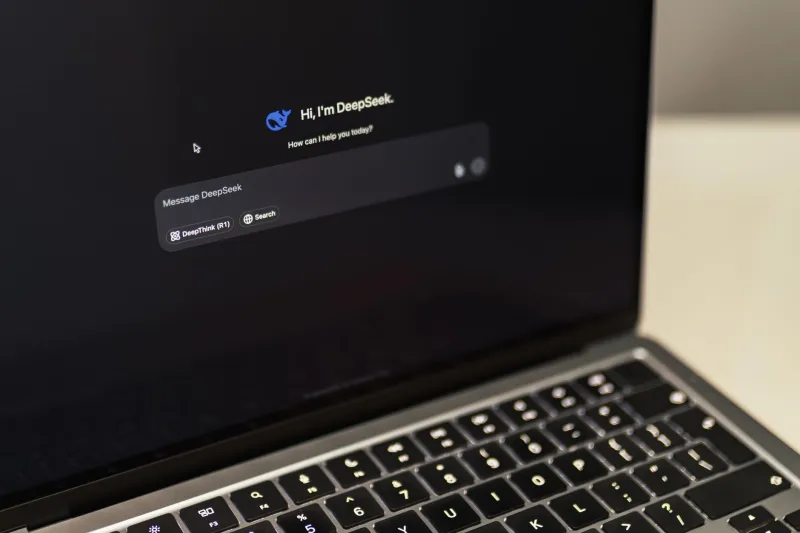
You've invested real money in a chatbot. It answers questions, routes tickets, and technically does its job. So why are customers bailing mid-conversation?
Here's a hard truth: people can smell a generic bot from a mile away. And when they do, they don't just close the chat window — they lose a little bit of trust in your brand. That trust gap is costing businesses far more than they realize.
The Psychology of "This Bot Doesn't Get Me"
Humans are wired for social connection. Even when we know we're talking to software, our brains still evaluate the interaction through a social lens. Is this exchange warm or cold? Does this voice feel familiar or foreign? Is there any sense that someone — or something — actually understands my situation?
When a chatbot responds with stiff, templated language that could belong to literally any company on the internet, it triggers what researchers call social presence failure. The customer unconsciously registers: this brand didn't bother to make this feel real. That split-second judgment shapes everything that follows — including whether they buy.
A 2023 survey by Drift found that 53% of consumers say they'd be more likely to purchase from a brand if the AI-powered chat experience felt personalized. Meanwhile, bots that rely on robotic, one-size-fits-all language consistently underperform on conversion benchmarks — sometimes by as much as 30% compared to personality-tuned alternatives. The data is clear. Personality isn't fluff. It's infrastructure.
What "Brand Voice in a Bot" Actually Means
Let's be specific, because this is where a lot of teams get fuzzy. Infusing brand voice into a chatbot doesn't mean stuffing your bot full of corporate buzzwords or making it crack dad jokes every third message. It means the bot communicates in a way that's consistent with how your brand speaks everywhere else — on your website, in your emails, across your social channels.
Are you a no-nonsense B2B software company that respects people's time? Your bot should be direct, skip the filler phrases, and get to the point fast. Are you a lifestyle brand with a playful, irreverent edge? Your bot should reflect that energy without tipping into annoying.
Think of it this way: if you printed a transcript of a bot conversation and removed the company name, your customers should still be able to guess it was yours. That's the bar.
Brands That Nailed It — and What They Did Differently
Casper (the mattress company) built a bot years ago that became something of a legend in chatbot circles. Rather than defaulting to FAQ-style responses, the bot adopted a sleepy, warm, slightly whimsical tone that matched the brand's entire aesthetic. Customers reported feeling like the interaction was enjoyable — a word almost never associated with customer support. Casper's team didn't just write scripts; they wrote character.
Duolingo took a similar approach with its in-app AI assistant, leaning hard into the brand's well-established mascot-driven, mildly snarky personality. Users didn't feel like they were interacting with a help center — they felt like they were continuing a relationship they already had with the brand.
What both companies did differently wasn't magic. They started with a documented voice guide specifically for conversational contexts, trained their bots on language patterns that reflected that guide, and then actually tested the tone with real users before rolling out at scale.
A Framework for Building a Bot That Sounds Like You
Ready to stop sounding like everyone else? Here's a practical approach:
Step 1: Audit Your Existing Bot Transcripts
Pull 50–100 recent conversations and read them like a customer would. Does the language feel consistent with your brand? Flag every response that sounds generic, stiff, or interchangeable with a competitor's bot. These are your starting points for rewriting.
Step 2: Create a Conversational Voice Guide
Your existing brand style guide probably wasn't written with chatbots in mind. Build a separate, shorter document that covers: preferred vocabulary, phrases to avoid, tone shifts for different scenarios (frustrated customer vs. excited new user), and sample before/after rewrites. Keep it under five pages — if it's too long, your team won't use it.
Step 3: Map Personality to Moments, Not Just Messages
Personality isn't just about word choice — it's about timing and context. A bot that cracks a light joke when a customer just reported a billing error is reading the room badly. Map your tone guide to specific conversation flows: onboarding, support escalation, upsell moments, and exit conversations each deserve their own tonal calibration.
Step 4: A/B Test Voice Variants
Don't assume you got it right on the first pass. Run A/B tests with two distinct voice profiles across similar conversation flows and measure conversion rate, escalation rate, and customer satisfaction scores. Let the data tell you which version of your brand resonates more in real-time chat contexts.
Step 5: Revisit Quarterly
Brand voice evolves. What felt fresh 18 months ago might feel dated now. Build a quarterly review cycle where you reassess your bot's language against current brand standards and customer feedback.
Efficiency Doesn't Have to Mean Robotic
One of the biggest misconceptions in chatbot design is that personality and efficiency are in tension — that adding warmth means slowing things down. That's not how it works. A well-crafted, on-brand response can be just as fast and functional as a generic one. The difference is that it actually lands.
At ChatChamp, we see this play out constantly. Teams that invest time in voice calibration don't just build better bots — they build bots that customers actually want to talk to. And customers who want to engage are customers who convert.
Your chatbot is one of the most frequent touchpoints your brand has with real humans. Make it count.